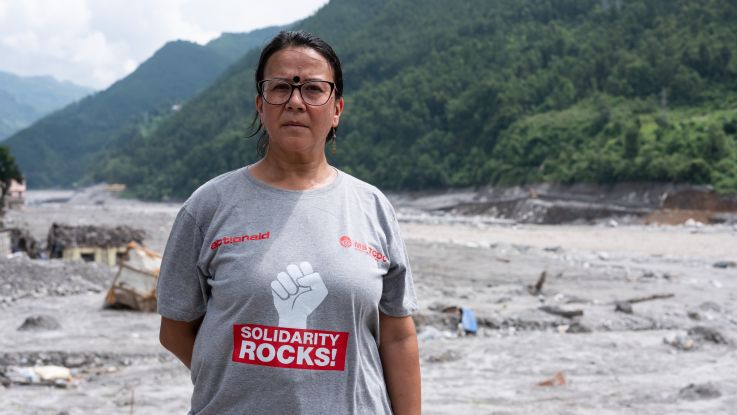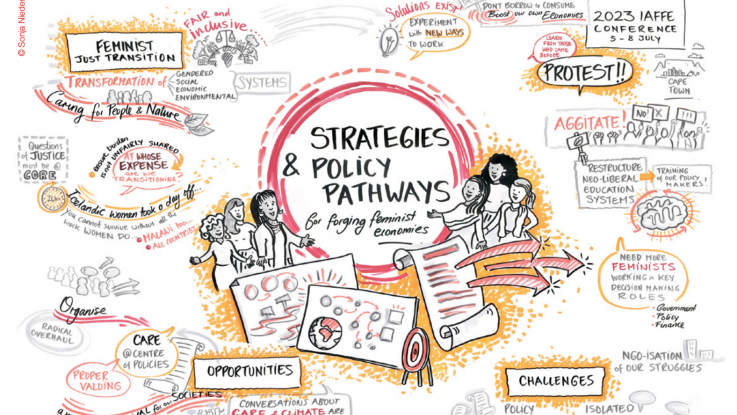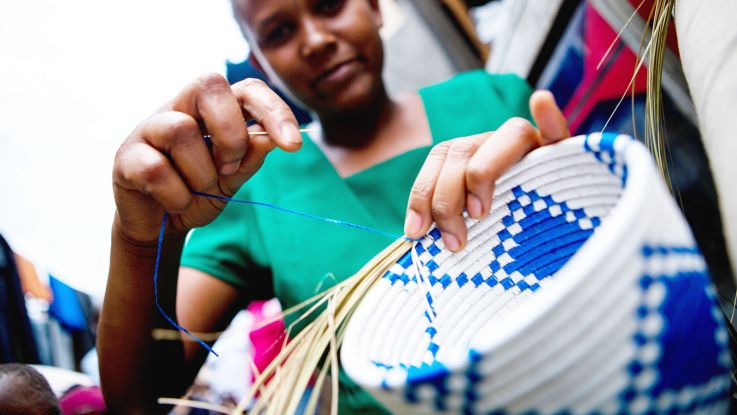
A voice that couldn’t be ignored: how Bhaga is fighting for fair pay in Nepal
Bhaga once believed low pay and unsafe work were simply part of life. Today, she is helping women workers across western Nepal organise, claim their rights and create safer, fairer workplaces.
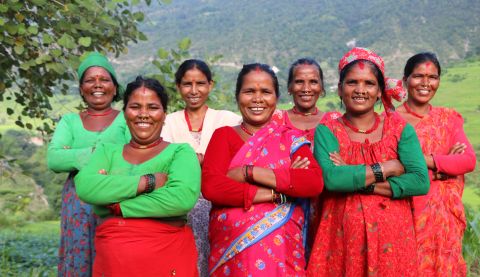
Bhaga (centre of the front row, wearing a pink dress with a blue border) alongside other members of the Srijanshil REFLECT centre formed by ActionAid in Doti. Photo: ActionAid Nepal
For years, Bhaga believed life was simply meant to be this way. Paid less than men for the same work, facing harassment on construction sites and struggling to provide for her children, she had little choice but to keep going.
Today, Bhaga is leading the fight for fair pay and safer working conditions for women workers in western Nepal.
Bhaga was just two years old when her father died. Her mother raised the family by working on other people’s farms, leaving no opportunity for Bhaga to go to school. She married at 18, but when her husband left for India to find work, she was left to raise their young daughter on her own. Although he later returned, he eventually left again, stopping all financial support and leaving Bhaga with the responsibility of providing for her family.
With no qualifications and few opportunities, Bhaga became a daily wage labourer. The work was demanding, unsafe and unsanitary, with workers lacking basic facilities such as toilets and clean drinking water.
Finding the confidence to speak up
Everything began to change when Bhaga joined the Seti ReFLECT Circle, supported by Equality Development Centre and ActionAid.
ReFLECT stands for Regenerated Freirean Literacy through Empowering Community Techniques. It is a methodology used around the world to improve literacy and support people to understand, organise and claim their rights.
Through the group, Bhaga and other women began to recognise the inequalities they were facing and, importantly, found the confidence to do something about them.
Education helped us to see clearly, We realised we were being served an injustice."
Bhaga decided to take action. She brought together 30 women to campaign for equal pay. They knocked on doors, met with contractors, organised street theatre performances and encouraged other women to speak up.
Their campaigning led to women across neighbouring communities receiving the same wages as men.
But equal pay was only the beginning.
Campaigning for safer workplaces
Together, the women demanded safer workplaces, clean drinking water, breastfeeding spaces, labour registration and insurance for workers.
Their campaigning contributed to the creation of a Labour Monitoring Committee, helping to ensure women were paid fairly and could work safely. When 30 women were denied their wages, the Committee took their case to the authorities and successfully recovered the money.
For Bhaga, speaking up has shown what women can achieve when they organise and act together.
To every woman I say: We are not weak. We are strong. We deserve fair wages, dignity and safe workplaces. Together, we can create change.”
Today, Bhaga earns nearly nine times more than she did when she first began working as a labourer. She serves on local committees and the Labourers’ Trade Union, continuing to campaign alongside women claiming their rights.
Her story shows how creating space for women to learn, organise and speak out can help challenge the inequalities they face – and create lasting change in their communities.